


A Jacksonville move scheduled between June and November needs more than a generic rain plan. Tropical systems can change road conditions, building access and crew safety, while ordinary summer thunderstorms can interrupt loading with little notice. The goal is not to panic every time rain appears in the forecast. It is to create clear decision points before the truck arrives. At Premier Movers, weather planning begins with access, timing and the condition of the items being moved. This guide explains how to prepare for moving during hurricane season in Jacksonville without relying on last-minute improvisation.
Know the Dates, but Watch the Actual Forecast
The National Hurricane Center’s tropical cyclone climatology identifies June 1 through November 30 as the Atlantic hurricane season. It also notes that activity is typically highest from mid-August through mid-October, with a climatological peak around September 10. Those dates are useful for planning, but a moving decision should be based on the current forecast and local conditions—not the calendar alone.
Start checking the forecast at least a week before the move, then increase the frequency as the date approaches. Discuss the mover’s rescheduling and weather-delay policy before severe weather is possible. A flexible backup date is far easier to arrange in advance than during an active warning.

Seven Days Before the Move
- Confirm the weather policy: Ask who makes the final go-or-delay decision and how customers will be notified.
- Review both properties: Check covered entrances, drainage, stairs, elevators, gates and the distance from the door to the moving vehicle.
- Identify route dependencies: Moves to or from the Beaches may involve bridges or causeways, while apartment moves may depend on a reserved loading area.
- Separate weather-sensitive items: Documents, electronics, artwork and irreplaceable items need stronger moisture protection than ordinary household goods.
- Create a backup plan: Decide whether the move can shift, whether part of the load can be staged, or whether temporary storage would solve a timing gap.
If the move is short-distance, confirm how local moving services will handle a delayed start, afternoon storms or access that becomes temporarily unsafe. Clear communication matters more than forcing an exact schedule that conditions no longer support.
Pack for Water Exposure, Not Just Transportation
Cardboard can lose strength when it becomes wet, especially at the bottom. Ordinary tape also does little to protect the contents if a box sits on a damp driveway or loading surface. The safest approach is to reduce the amount of time anything spends outside and add protection where the consequences of moisture would be serious.
- Place papers, medications and small electronics in sealed bags before they go into a carton.
- Use plastic bins or watertight containers for the items that cannot tolerate moisture.
- Line selected cartons with clean plastic, but do not seal damp fabric inside.
- Label at least two sides so the destination room remains visible if boxes are stacked.
- Keep towels, floor coverings and dry clothing accessible rather than loading them first.
- Do not stage cartons directly on grass, wet concrete or an uncovered curb.
Professional packing services can be especially useful for kitchens, artwork, electronics and other categories that need consistent materials and labeling. Tell the packing team that the move is scheduled during hurricane season so weather-sensitive items can be identified early.
Prepare the Pickup and Delivery Access
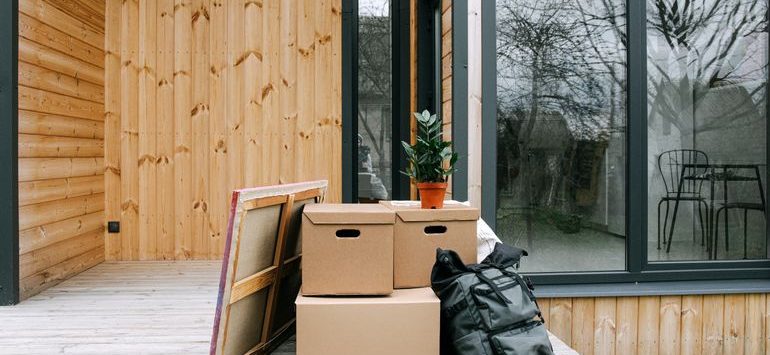
The route from the room to the truck often matters more than the forecasted rainfall total. A short shower is manageable when the truck can park close to a covered entrance. The same shower can soak cartons when the crew must cross a long courtyard, navigate an open parking lot or wait for an elevator.
Jacksonville Access Details to Confirm
- Whether the moving vehicle can park close to each entrance
- Whether apartment or condominium loading areas remain available during bad weather
- Whether gates, access cards or building staff are available if offices close early
- Whether water collects near the driveway, curb or walkway
- Whether exterior stairs, ramps or pavers become slippery
- Whether the destination has a clean, dry indoor staging area
Protect interior floors before the first item crosses the threshold. Use clean runners or approved floor protection, keep a towel station near the entrance and assign one dry area for cartons. Avoid wrapping wet wooden furniture tightly in plastic, because trapped moisture can create a second problem after delivery.
Use Clear Moving-Day Decision Points
Light rain does not always require cancellation, but lightning, strong wind, flooding, evacuation orders or unsafe access change the situation. The mover, property manager and customer may each have information that affects the decision. Agree on a check-in time and keep phones charged.
Pause and Reassess When:
- The route is unsafe: Standing water, blocked streets or official restrictions affect the pickup or destination.
- Lightning is nearby: Crews should not be working in exposed loading areas during a lightning threat.
- Wind affects handling: Large furniture, doors, ramps and coverings become difficult to control.
- The building closes access: An elevator, loading dock or gated entrance is no longer available.
- Items cannot stay dry: The available staging and protection are not sufficient for the shipment.
Build a Storage Backup Into the Plan
A weather disruption can create a gap between pickup and delivery, especially when a lease ends, a closing moves or a destination building changes access. Ask in advance whether storage services can be added and how items would be inventoried, protected and released. A defined backup is better than searching for space after the schedule has already failed.
Keep a separate essentials load with identification, medications, chargers, a change of clothes, basic toiletries, pet supplies and important property documents. That bag should remain with you even when the main shipment is delayed.
After Delivery, Check for Moisture Immediately
- Move any damp cartons to a hard, protected surface and unpack them first.
- Dry furniture surfaces and inspect undersides, legs and hardware.
- Open damp textiles so air can circulate instead of leaving them compressed.
- Photograph any damage before discarding packaging.
- Confirm that entrances, floors and common areas are clean and dry.
Moving during hurricane season in Jacksonville is manageable when the plan has room to change. Monitor reliable forecasts, protect the items that cannot get wet, confirm access at both properties and decide ahead of time what conditions will delay the job. That preparation protects people first and belongings second—which is the correct order on any weather-affected move.
